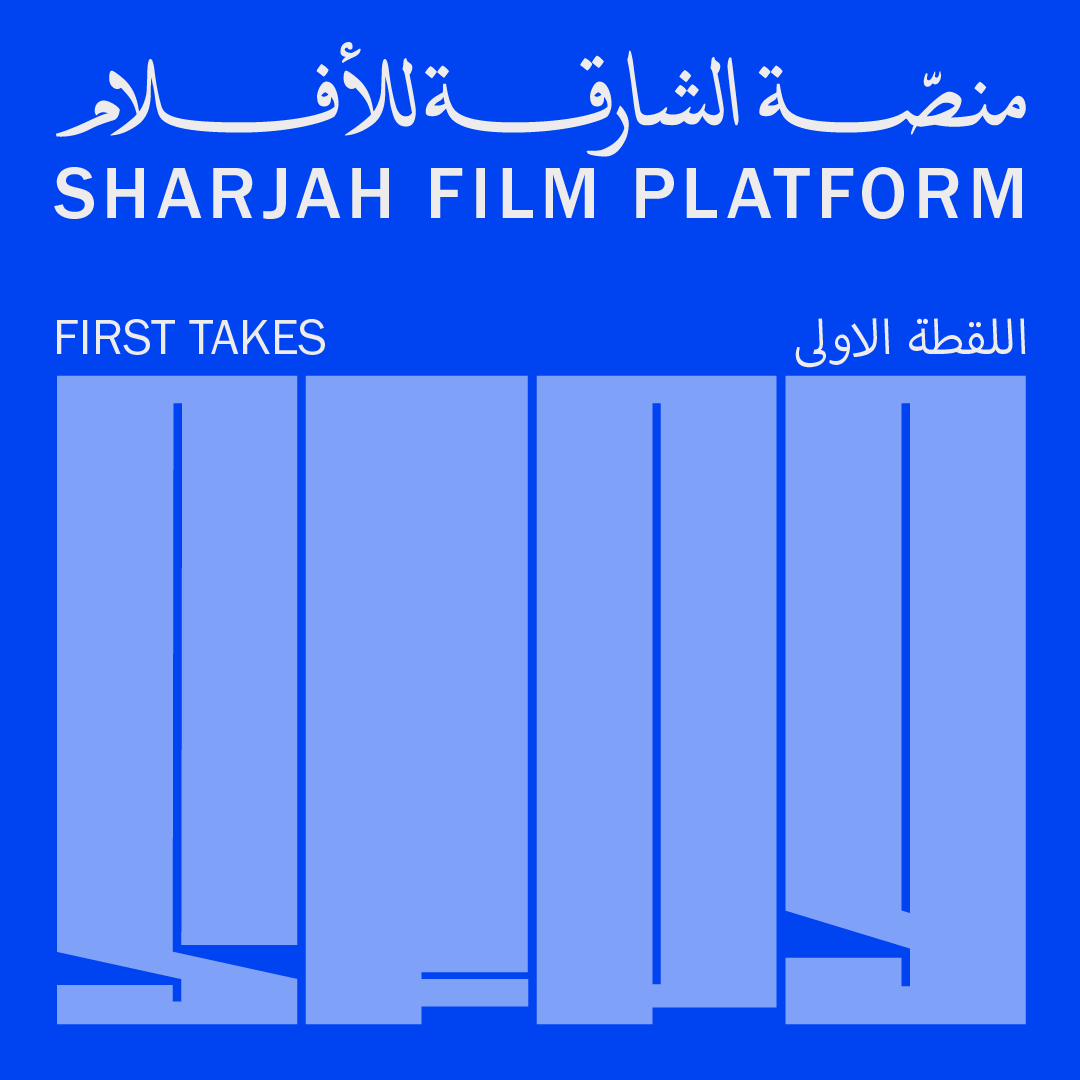
The programme’s second iteration gathers student filmmakers for screenings, storytelling development and an exclusive workshop in partnership with Kurzfilm Festival Hamburg
Published on 5 November 2026
Sharjah Art Foundation highlights new cinematic voices in the UAE through the second iteration of First Takes at Sharjah Film Platform 9 (SFP9). Encouraging dialogue among aspiring filmmakers in the country, the programme is developed in collaboration with the film and art departments of four local universities. First Takes includes the screening of 12 short experimental works by UAE-based students and recent graduates, exploring questions of identity, memory, belonging, social expectations and the relationship between people and their environments.
Introduced this year, a pitching workshop led by Hamburg-based author and filmmaker Anne Backhaus offers participants a unique chance to develop and communicate their film ideas. The two-day programme also includes feedback sessions and peer networking opportunities, designed to encourage exchange among students from art and film schools. Organised in partnership with Kurzfilm Festival Hamburg, these activities extend the programme beyond the screenings, supporting emerging filmmakers as they develop their creative vision and consider how to bring their projects to life.
The films featured in First Takes bring together documentary, fiction and animation, moving between personal histories, imagined worlds and observations of everyday life. In The First (2025), Noor Al Qasimi presents an intimate family tribute to Sheikha Naama bint Majid Al Qasimi, the UAE’s first female teacher, reflecting on her legacy and the path she paved for generations of Emirati women. Adam Noeman’s Closure Is Peace: Hometoyou (2025) draws on a personal archive of home videos to explore belonging and identity through the filmmaker’s upbringing in the UAE by Egyptian and Filipino parents. In Son of an Outlaw (2025), Sundus Al Hammadi follows Muhammed as he navigates the influence of his father’s past, the search for acceptance and the challenges of reconciling faith, change and a home that remains unsafe to return to.
Other works examine the ways in which cultural narratives, social expectations and everyday encounters shape individual experience. Mariam AlQasimi’s Dhafr (2025) considers the long, beautified nails of female characters in Emirati folklore, examining how a feature associated with femininity can also become a marker of danger. In No Shame (2026), Humaid AlMazaini and Mohamed Mahkareem follow an Emirati taxi driver as he ferries strangers through the city, listening to their conversations and frustrations. Through these interactions, the film reflects on the dignity of honest work and the ways in which respect is earned through character rather than status. Abigail Chien’s Lice (2026) centres on a young bride-to-be whose search for a missing engagement ring brings suppressed fears and emotional truths to the surface, while a brief encounter with a bridal shop saleswoman begins to unsettle the silence she has long carried.
Several films turn to animation and imaginative storytelling to explore vulnerability, perception and human connection. In Tbbib Albahr (2025), Safaa Abdalla follows a young girl who sets out to find her missing father and encounters a young Sea Doctor whose powers have been corrupted by pollution. Together, they work to restore the polluted island and rescue her father. Sara Alhammadi’s AI-generated, crochet-inspired short Aunt at 4 Months (2025) draws on childhood memories to reflect on the experience of growing up alongside a niece who is only four months younger. In Lines of Doubt (2025), Shahad Muallemi’s animated protagonist confronts self-doubt and the pressure of comparing herself to others before rediscovering the joy that first inspired her to draw. Ameera Alblooshi and Hamda Alhashmi’s stop-motion animation Prey & Predator (2026) uses the metaphor of sheep to examine how media can shape everyday perceptions, foment fear and insecurity, and blur the boundary between awareness and submission.
Questions of mortality, grief and renewal emerge in Maryam Aljenaibi and Rouda Alhammadi’s The Empty Chair (2025), in which a grieving widow repeats the daily ritual of pouring tea for her late husband and writing letters. Through silence and repetition, the film traces the stages of grief as memory and reality begin to blur, eventually arriving at a quiet acceptance. In their group project Beneath the Grounds (2026), Ward Furany, Alya Alwdai, Menna Zayed and Zain Allababidi observe a Pakistani gardener tending to the landscape of Sharjah’s University City. Against a backdrop of birdsong and greenery, the gardener reflects on life’s purpose and mortality, as the film interweaves human, animal and plant life in a meditation on death, renewal and the cycles through which life fades and grows anew.
First Takes is developed in collaboration with the film and art departments of American University of Sharjah, New York University Abu Dhabi, University of the Arts Sharjah and Zayed University.
Organised by Sharjah Art Foundation, SFP9 is made possible with the generous support of VOX Cinemas, Sharjah Commerce & Tourism Development Authority, Air Arabia, Alef Group, ARADA, University of Sharjah, NYU Abu Dhabi, Zayed University, American University of Sharjah and University of the Arts Sharjah.
Sharjah Film Platform (SFP) is an annual festival of independent cinema and experimental filmmaking where audiences can discover new approaches to film and art. The 10-day event—which includes a range of regional and international films, talks by filmmakers and industry professionals, workshops and gatherings—is centred around Mirage City Cinema, the open-air theatre in Sharjah’s historical quarter.
Organised by Sharjah Art Foundation, SFP foregrounds recent cinematic achievements by international filmmakers and artists, noteworthy classics from around the region as well as experimental films that challenge the idea of what film practice is today.
Sharjah Art Foundation is an advocate, catalyst and producer of contemporary art within the Emirate of Sharjah and the surrounding region, in dialogue with the international arts community. The Foundation advances an experimental and wide-ranging programmatic model that supports the production and presentation of contemporary art, preserves and celebrates the distinct culture of the region and encourages a shared understanding of the transformational role of art. The Foundation's core initiatives include the long-running Sharjah Biennial, featuring contemporary artists from around the world; the annual March Meeting, a convening of international arts professionals and artists; grants and residencies for artists, curators and cultural producers; ambitious and experimental commissions and a range of travelling exhibitions and scholarly publications.
Established in 2009 to expand programmes beyond the Sharjah Biennial, which launched in 1993, the Foundation is a critical resource for artists and cultural organisations in the Gulf and a conduit for local, regional and international developments in contemporary art. The Foundation's deep commitment to developing and sustaining the cultural life and heritage of Sharjah is reflected through year-round exhibitions, performances, screenings and educational programmes in the city of Sharjah and across the Emirate, often hosted in historic buildings that have been repurposed as cultural and community centres. A growing collection reflects the Foundation's support of contemporary artists in the realisation of new work and its recognition of the contributions made by pioneering modern artists from the region and around the world.
Sharjah Art Foundation is a legally independent public body established by Emiri Decree and supported by government funding, grants from national and international nonprofits and cultural organisations, corporate sponsors and individual patrons. Hoor Al Qasimi serves as President and Director. All exhibitions are free and open to the public.
Sharjah is the third largest of the seven United Arab Emirates, and the only one bridging the Arabian Gulf and the Gulf of Oman. Reflecting the deep commitment to the arts, architectural preservation and cultural education embraced by its ruler, Sheikh Dr Sultan bin Mohammad Al Qasimi, Sharjah is home to more than 20 museums and has long been known as the cultural hub of the United Arab Emirates. It was named UNESCO's Arab Capital of Culture for 1998 and the UNESCO World Book Capital for 2019.
Joseph De la Cerna
joseph@sharjahart.org
+971 (0)6 5444113


 OFF