Sharjah Biennial 17: What remains, sits restive
21 January–13 June 2027
Opening week: 21–24 January 2027
Our present is troubled by what remains of unlived pasts, of the defeated yet undead projects of a modernity premised on universal emancipation. Rather than passive and dormant, these remainders continue to animate the present with their restive rhythms, shaping the politics of time and space. Histories resurface and endure, not as pure recurrence but as residues and morphed processes actively informing the now.
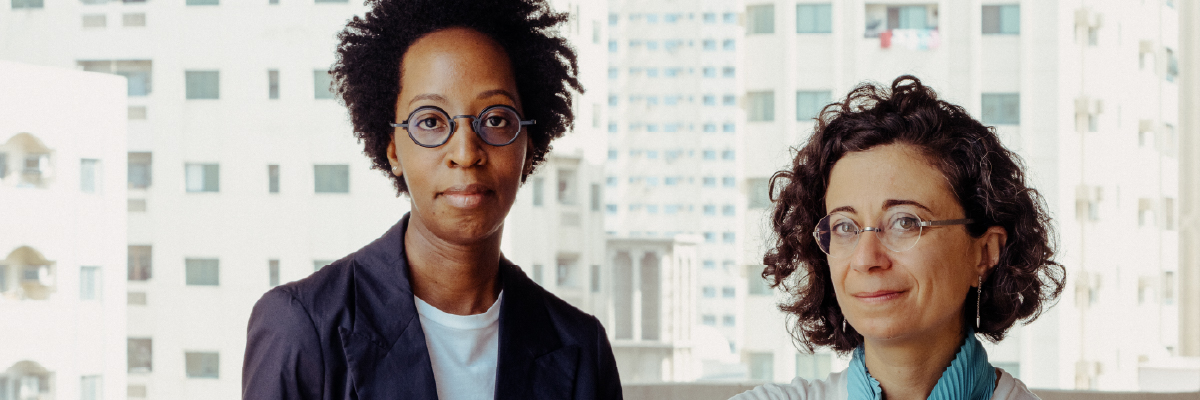
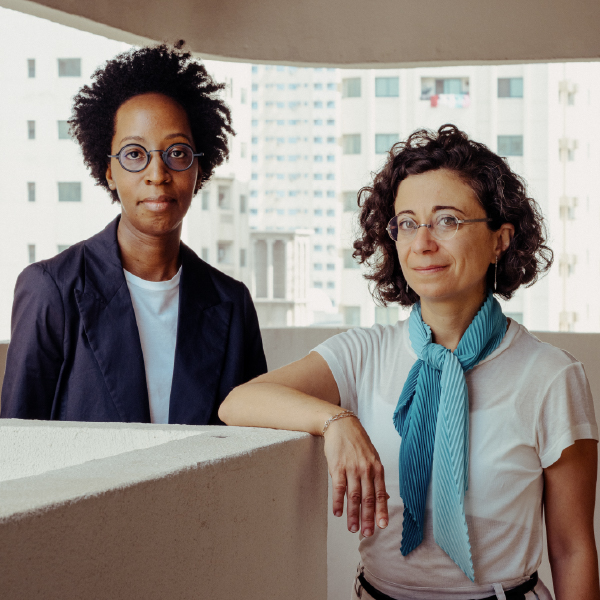
Grounded in this common theme, Sharjah Biennial 17: What remains, sits restive brings together two different approaches, each articulated by one of the two curators: Angela Harutyunyan and Paula Nascimento.
For her contribution, Angela Harutyunyan traces the various afterlives of socialist modernity, as observed from the peripheries of modernisation and anti-colonial struggles. Can art confront the hard-shell of late capitalist alienation by activating what remains of these emancipatory projects? Harutyunyan’s presentation brings together 55 participants who engage with this question to produce deeper insights into the means and forms of representation for a reality replete with contradictions.
The present moment has been shaped not only by these spectres of unlived pasts, but also by the slow violences of cultural silencing and oppression. The 54 participants invited by Paula Nascimento use infrastructure as a method to explore how space, place and memory intersect in both tangible and intangible ways, proposing new vocabularies to help us navigate the intricacy of our times.
Convening 109 participants, Sharjah Biennial 17: What remains, sits restive will take place from 21 January to 13 June 2027 across multiple venues across the emirate of Sharjah.
For more information and to register, please email registersb17@sharjahart.org
List of participants
Angela Harutyunyan:
Alban Muja; Alexandra Sukhareva; Amanda Beech; Anri Sala; Arash Azadi; Arman Grigoryan; Armen Ter-Mkrtchyan; Armenak Grigoryan; Cristiana de Marchi; Cynthia Zaven; Daniele Genadry; David Schutter; Hamlet Hovsepyan; Hande Sever; Hassan Khan; Hiwa K; Igor Savchenko; Iman Issa; Jasmina Cibic; Jessica Ekomane; Jiří Žák; Josef Bolf; Josephine Pryde; Kapwani Kiwanga; Karen Ohanyan; Karine Matsakyan; Karlo Kacharava; Kasper Kovitz; Khaled Tanji; Kristina Benjocki; Lala Rukh; Lena Kocutar; Lousineh Navasartian; Marcos Grigoryan; Michael Martirosyan; Natasha Gasparian; Neda Saeedi; Octavian Esanu; Romana Schmalisch and Robert Schlicht; Sebastián Díaz Morales; Shady Elnoshokaty; Sherif El Azma; Stijn Verhoeff; Suat Öğüt; Tekla Aslanishvili and Solveig Qu Suess; Teni Vardanyan; Thea Djordjadze; Thea Gvetadze; Tsolak Topchyan; Vehanush Topchyan; Yaşam Şaşmazer; Yass; and Zbyněk Baladrán
Paula Nascimento:
Agnes Essonti Luque; Ana Silva; Ângela Ferreira; António Ole; Belinda Kazeem-Kamiński; Carlos Noronha Feio; César Schofield Cardoso; Christian Salablanca Diaz; Cipriano; Dana Whabira; Edson Chagas; Euridice Zaituna Kala; Francisco Vidal; Gabriel Chaile; Gabrielle Goliath; Georges Senga; Gosette Lubondo; Grada Kilomba; Helena Uambembe; Hong-Kai Wang; Ibrahim Mahama; Ilídio Candja Candja; Januario Jano; Jean Katambayi Mukendi; Josèfa Ntjam; Kamala Ibrahim Ishag; Kapela Paulo; Kiluanji Kia Henda and Sumayya Vally with Flávio Cardoso, Lilianne Kiame, Raul Jorge Gourgel and Yazan Khalili; Limbo Museum founded by Dominique Petit-Frère; Lungiswa Gqunta; Mpho Matsipa; Myles Igwebuike; Nolan Oswald Dennis; Ntshepe Tsekere Bopape; Nú Barreto; Oscar Murillo; Pamela Cevallos; Rebeca Carapiá; Reinata Sadimba; René Tavares; Rui Magalhães; Sandra Poulson; Senzeni Marasela; Sonia Gomes; Tuli Mekondjo; Victor Gama; Wendy Morris; Ziad Naitaddi; and Zina Saro-Wiwa
21 January–13 June 2027